Oscar 2 Ambulatory Blood Pressure Monitor (ABPM) |
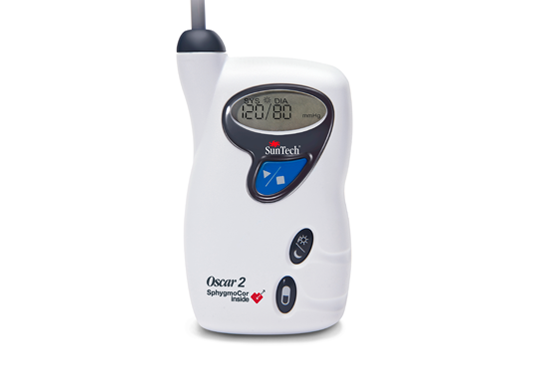
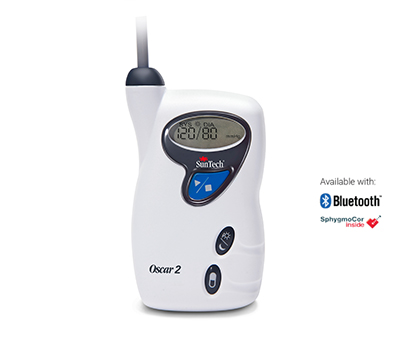
OverviewThe new standard in ambulatory blood pressure monitoringThe Oscar 2™ system from SunTech Medical sets the standard in ABPM by meeting the highest clinical standards, optimizing patient comfort through innovation, and giving clinicians practical interpretive analysis and reporting tools. Highest standards of clinical accuracyThe Oscar 2 is the only ABPM available that is clinically validated to all three internationally recognized standards.
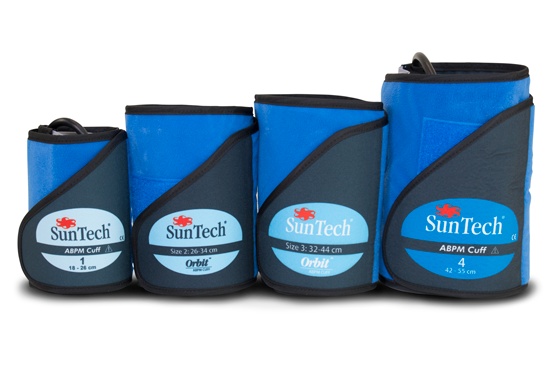
Patient comfortThe Oscar 2 and the Orbit BP cuff make patient comfort a priority.
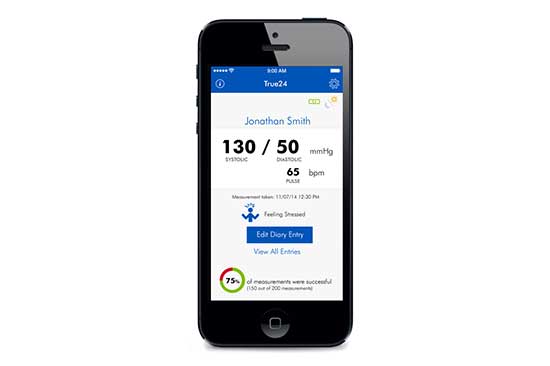
Practical interpretive analysis and reporting toolsAccuWin Pro is a user-friendly tool allowing maximum flexibility for configuring, analyzing, interpreting, and reporting of ABPM studies. For an interactive tutorial of a complete demo of the Oscar 2 system and AccuWin Pro features, please view the Using the Oscar 2 tutorial. The Oscar 2 system includes:
Product FAQsQ. Where can I find out more about US Reimbursement for my ABPM? A. To obtain information about your US Reimbursement for your Ambulatory Blood Pressure Monitoring device, please click here. Oscar 2Q. How do I register my Oscar 2? A. To register, please fill out the product registration card provided with your SunTech® Product. You can also register by filling out our online product registration form under the Products Section of this website. Q. Does the Oscar 2 or its cables contain Latex? A. All of our products, including the Oscar 2, hoses and cables, do not contain any Latex. Q. How do I turn the unit on/off? A. To turn ON, press and hold the start/stop button until you hear a series of 3 quick beeps. To turn OFF, press and hold the start/stop button until you hear a series of five beeps. AccuWin ProQ. Can AccuWin Pro (AWP) software run on Windows 98/NT/2000/XP? A. The AccuWin Pro software will run on the latest Operating Systems. Version 3 - Supported on Microsoft Windows 98, 2000, ME, XP. Version 2.x - Supported on all Microsoft Windows Operating Systems 95 and above. Q. Can AccuWin Pro (AWP) export data to be used in a spreadsheet or database? A. The AccuWin Pro software can export data to be used in a spreadsheet or database. Use the File >> Export function, AccuWin Pro can be exported into an ASCII text file for use by most spreadsheet and database programs. The export function is flexible enough to allow for only data of interest and be exported and various of delimiters can be chosen. Q. Does SunTech's AWP software allow for sending reports by e-mail or modem? A. The AccuWin Pro software can send reports by email or by modem. The AccuWin Pro v3.3 and v3.3.1 software have a feature allowing you to email AWP files from within AccuWin Pro to other AccuWin Pro users. All AWP files from any of our AccuWin software products can be sent via email and be opened with the corresponding AccuWin program that originally downloaded them. Also, all AccuWin Pro Software products can send reports over a modem to a fax machine when used with a PC with a fax-printer driver installed. Q. How do I get my AWP software to work with my office EMR software? A. AccuWin Pro v3 has a one button operation to create patient reports in PDF format. PDF files of patient reports can then be placed into the patient's folder for most EMR systems. This allows viewing of a patient's report without the need for AccuWin Pro. Q. I can’t get my computer to communicate with my monitor. Or, when trying to program or retrieve data, I receive the error, “Cannot communicate with ABP device.” How do I fix this? A. Check the hardware settings under Configure, then Preferences. Select a configuration to Edit. Serial Port will show all ports available on the computer.
Parts & Accessories
Technical Specs
Manuals & Tutorials
Research Study Library2009The Mean Machine; Accurate Non-Invasive Blood Pressure Measurement in the Critically Ill patientObjective Accurate indirect prehospital blood pressure measurement in the critically ill patient remains an important challenge to both patient management and prehospital research. Ambulatory blood pressure measuring devices have not been trialled for prehospital use in critically ill patients. Prior to prehospital validation where conditions are suboptimal, we aimed to test under favourable conditions in the Intensive Care Unit, a selection of ambulatory devices that may be suitable for use in the field. Methods Systolic, diastolic and mean pressures of three ambulatory devices were compared to the average of 1 min of independently recorded, high fidelity intra-arterial reference pressures. Eighteen critically ill patients were recruited. Device performance was required to fulfil the Association for the Advancement of Medical Instrumentation (AAMI) protocol. Additionally, agreement between measure- ment methods was examined using Bland-Altman plots. Two-level linear mixed model analyses were under- taken. Results For each device, 150 paired measurements (arterial reference and device) were analysed. According to the AAMI protocol, no device measured systolic pressures accurately. One device measured diastolic pressures accurately. Integrated mean pressures were accurately measured by all devices. Overall, SunTech Medical’s Oscar 2 performed best with mean pressure error not exceeding 17 mmHg. For this device, Bland-Altman plots showed uniform agreement across a wide range of mean pressures. Two-level linear mixed effects analyses showed that Oscar 2 mean error reduced during vasopressor use by (−) 3.9 mmHg (95% CI −5.9, −1.9; P < 0.001), and clinically, performance was little affected during␣mechanical ventilation. For the Oscar 2, there was up␣to (−) 7.0 mmHg (95% CI −10.3, −3.5; P < 0.001) l ess mean error during hypotension compared to normo- tension. Conclusions In the Intensive Care Unit, the performance of one device, the Oscar 2, surpassed the others and fulfilled the AAMI protocol criteria for mean pressure measurement. This device is suitable for prehospital validation. Sandy Muecke, Andrew Bersten, and John Plummer. Methylated arginine derivatives in children and adolescents with chronic kidney disease*Asymmetric dimethylarginine (ADMA), a methylated L-arginine (Arg) derivative is associated with endothelial dysfunction, vasoconstriction, and hypertension in animals and humans. We examined the relationship between these derivatives, estimated glomerular filtration rate (eGFR), and awake (AW) and asleep (AS) blood pressure (BP) load in children and adolescents (n = 28) with stage 2–3 chronic kidney disease (CKD) and in matched intra-familial controls (n = 10). Plasma L-Arg, ADMA, and symmetric dimethylarginine (SDMA) levels were measured by high-performance liquid chromatography–tandem mass spectrometry. Subjects wore a 24-hr ambulatory BP monitor with BP load >95th percentile. ADMA, SDMA/ADMA ratio and SDMA were 38–200% higher in CKD patients while L-Arg/ADMA and L-Arg/SDMA ratios and the L-Arg level were 11–64% lower. The eGFR explained 42–60% of L-Arg/SDMA, SDMA/ADMA, and SDMA variability (n = 38). Using linear regression, SDMA and SDMA/ADMA separately explained 15–38% of AW and AS systolic (S) BP and diastolic (D) BP load variability (p < 0.001–0.022). Using multivariate stepwise regression with eGFR held constant, SDMA/ADMA was a significant independent variable for AW DBP load (p = 0.03). In conclusion, BP load and a disproportionate elevation of SDMA are seen in children and adolescents with stage 2–3 (mild–moderate) CKD. SDMA is a strong marker for reduced eGFR and serves as a moderate but significant indicator of 24-hr BP load variability. E Brooks, C Langman, S Wang, H Price, A Hodges, L Darling, A Yang, F Smith *Free access to download 2008Salt loading increases urinary excretion of linoleic acid diols and triols in healthy human subjectsIncreased dietary linoleic acid has been associated with reduced blood pressure in clinical and animal studies possibly mediated by prostaglandins. Urinary linoleate and prostaglandin metabolite excretion were investigated in subjects exposed to a salt-loading/salt-depletion regimen. Twelve healthy subjects were recruited from the New Orleans population (before Hurricaine Katrina) and admitted to the Tulane-Louisiana State University-Charity Hospital General Clinical Research Center after a 5-day outpatient lead-in phase on a 160-mmol sodium diet. On inpatient day 1, the subjects were maintained on the 160-mmol sodium diet, and a 24-hour urine specimen was collected. On day 2, the subjects received 2 L of IV normal saline over 4 hours and continued on a 160-mmol Na+ diet (total: 460 mmol of sodium). Two 12-hour urine collections were obtained. On day 3, the subjects received three 40-mg oral doses of furosemide, two 12-hour urine collections were obtained, and the subjects were given a 10-mmol sodium diet. Urinary oxidized lipids were measured by high-performance liquid chromatography-tandem quadrupole mass spectroscopy. The excretion of the urinary linoleate metabolites, dihydroxyoctadecamonoenoic acids, and trihydroxyoctadecamonoenoic acids increased significantly during intravenous salt loading as compared with day 1 and the salt-depleted periods. The urinary excretion of 6-keto- prostaglandin F1{alpha} was unaffected by salt loading but was dramatically increased 7- to 10-fold by salt depletion. Prostaglandin E2 excretion was positively correlated with sodium excretion. The salt-stimulated production of linoleic acid diols and triols may inhibit tubular sodium reabsorption, thereby assisting in the excretion of the sodium load. Albert W. Dreisbach, Janet C. Rice, Shanker Japa, John W. Newman, Aster Sigel, Rajan S. Gill, Arthur E. Hess, Angela C. Cemo, Juan P. Fonseca, Bruce D. Hammock, Juan J.L. Lertora and L. Lee Hamm 2007Validation of the Oscar 2 oscillometric 24-h ambulatory blood pressure monitor according to the British Hypertension Society protocolObjectives: Accuracy of blood pressure measuring devices is of prime importance and should be validated before devices are used clinically. We carried out an independent evaluation of the Oscar 2 oscillometric ambulatory blood pressure monitor (SunTech Medical, Model 222) according to the British Hypertension Society (BHS) Protocol. Methods: Validation of the Oscar 2 was carried out in accordance with Part 1 of the British Hypertension Society protocol. Having successfully completed the first three phases, in the static validation phase blood pressure measurements were made on 114 participants simultaneously by two observers blinded from each other's readings and those of the device, giving 255 data pairs for systolic and diastolic blood pressure. Readings were made using simultaneous same-arm measurement, each observer using a dual-head binaural stethoscope and a calibrated mercury sphygmomanometer. Data were recorded independently, to the nearest 2 mmHg and were checked by the supervisor who operated the device. Results: The device mean and observer means (and standard deviations) were exceptionally close across a high range of pressures, with a mean difference for the better observer of 0±7 mmHg and -1±6 mmHg for systolic and diastolic blood pressure, respectively. With 62% of all systolic blood pressure standard vs. device differences equal or less than 5 mmHg, and 70% of all similar differences for diastolic blood pressure equal to or less than 5 mmHg, the device was categorized as Grade A for systolic and diastolic blood pressure. Conclusion: The Oscar 2 was graded A for both systolic and diastolic blood pressure by the British Hypertension Society protocol and can be recommended for clinical use in an adult population. James Goodwin, Mary Bilous, Susan Winship, Paul Finn, and Stephen C. Jones Is HOMA index a predictor of nocturnal nondipping in hypertensives with newly diagnosed type 2 diabetes mellitus?Objective: Insulin resistance is involved in glucose intolerance, type 2 diabetes mellitus and hypertension. We aimed to analyze relationship between insulin resistance and nocturnal nondipping. Methods: Patients underwent physical and biochemical evaluation, clinic and ambulatory blood pressure measurements. The homeostasis model assessment (HOMA) index was calculated. Results: Ninety-six essential hypertensive patients, of whom 42 were dippers, with newly diagnosed type 2 diabetes mellitus were included. Nighttime average heart rate and mean arterial pressure of nondippers were higher than dippers (P<0.0001 and 0.001). Nondippers had higher fasting plasma glucose, serum insulin levels and HOMA indices than dipper patients (P=0.006, <0.0001 and <0.0001). Ten dippers and 36 nondippers were insulin resistant (P<0.0001). Clinic (r=+0.22, P=0.031), daytime average (r=+0.27, P=0.007), nighttime average (r=+0.33, P=0.001), 24-h average systolic (r=+0.25, P=0.015) and nighttime average diastolic blood pressures (r=+0.31, P=0.002) were positively correlated with homeostasis model assessment index. Nighttime mean arterial pressure and heart rates (daytime, nighttime, 24-h average) showed positive correlation with homeostasis model assessment index. In multivariate analysis, high homeostasis model assessment index was associated with increased nondipping risk (odds ratio: 1.85, confidence interval: 1.24-2.76, P=0.003). After adjustment of several factors, average nighttime systolic (P<0.0001), diastolic (P<0.0001) and 24-h diastolic blood pressure (P=0.029) and heart rate (P=0.001) measurements of insulin resistant patients were higher than nonresistant patients. Conclusions: Insulin resistance is related with diurnal blood pressure variation. The HOMA index may be a predictor of nocturnal nondipping in patients with essential hypertension and newly diagnosed type 2 diabetes mellitus. Baris Afsar, Siren Sezer, Rengin Elsurer and Fatma Nurhan Ozdemir 2006Blood pressure (BP) as a biomarker for sorafenib (S), an inhibitor of the vascular endothelial growth factor (VEGF) signaling pathway.Background: Hypertension is a commonly reported toxicity of agents that inhibit the VEGF signaling pathway (VSP). This new class of cancer therapeutics has broad activity, but optimal dosing methods and integration into established treatment regimens could be enhanced by identification of reliable biomarkers. S, a new treatment for advanced renal cell carcinoma, is an orally available inhibitor of multiple VSP kinases including Raf-1 and VEGFR2. To characterize the chronicity and interindividual variability of BP responses to VSP inhibition we collected serial, standardized measures of BP and concurrent steady-state plasma concentrations ([plasma]) of S, from 30 patients (pts). Methods: Pts with advanced solid tumors, ECOG performance status < 2, and screening BP ≤ 140/90 mmHg on no more than one antihypertensive agent took 400mg S twice daily. Prior to therapy and at 3 time points after steady state [plasma] of drug was achieved, pts underwent 24-hour ambulatory BP monitoring with the SunTech Oscar PowerPack 2 (SunTech Medical, Morrisville, North Carolina). Readings were collected every 15 minutes during daytime hours and every 45 minutes overnight. Results: Unweigthed mean and standard deviations (sd) of systolic (SBP) and diastolic (DBP) 24-hr BP measurements were calculated for each pt. for the sessions pre-therapy and when steady state [plasma] S was reached (between days 6–10 after starting treatment). The differences in mean BPs between the two sessions were compared with (and p values reported for) paired t-tests. Regression analysis of [plasma] of S with either DBP or SBP, or change in DBP or SBP, with main effect and interaction terms for albumin, age, and sex revealed no significant correlation between S [plasma] and BP response. Conclusions: BP elevation is a biomarker for VSP inhibition. The known variability (coefficient of variation = 70%) in total S steady state plasma concentrations did not account for the observed variability in BP response. M. L. Maitland, K. Moshier, J. Imperial, K. E. Kasza, T. Karrison, W. Elliott, S. D. Undevia, W. Stadler, A. A. Desai and M. J. Ratain A possible link between exercise-training adaptation and dehydroepiandrosterone sulfate- an oldest-old female studyThe purpose of this study was to determine the association between the level of salivary dehydroepiandrosterone sulfate (DHEA-S) and the magnitude of adaptation to exercise training in insulin sensitivity for aged females. A group of 16 females, aged 80-93 years old, was divided into 2 groups according to their baseline DHEA-S levels: Lower Halves (N = 8) and Upper Halves (N = 8), and participated in a 4-month exercise intervention trial. Insulin response with an oral glucose tolerance test (OGTT), cholesterol, blood pressure (BP), motor performance, and DHEA-S were determined at baseline and 4 months after the training program. Glucose tolerance and body mass index (BMI) remained unchanged with training for both groups. Insulin, fasted cholesterol, diastolic blood pressure, reaction time, and locomotive function were significantly lowered by training only in the Upper Halves group. Changes in the area under curve of insulin (IAUC) were negatively correlated with the baseline DHEA-S level (R= - 0.60, P < 0.05). The current study provides the first evidence that oldest-old subjects with low DHEA-S level appear to be poor responders to exercise-training adaptations. Yi-Jen Huang, Mu-Tsung Chen, Chin-Lung Fang, Wen-Chih Lee, Sun-Chin Yang, Chia-Hua Kuo 2005Acute blood pressure responses in health adults during controlled air pollution exposuresExposure to air pollution has been shown to cause arterial vasoconstriction and alter autonomic balance. Because these biologic responses may influence systemic hemodynamics, we investigated the effect of air pollution on blood pressure (BP) . Responses during 2-hr exposures to concentrated ambient fine particles (particulate matter < 2.5 µm in aerodynamic diameter ; PM2.5) plus ozone (CAP+O3) were compared with those of particle-free air (PFA) in 23 normotensive, nonsmoking healthy adults. Mean concentrations of PM2.5 were 147 ± 27 versus 2 ± 2 µg/m3, respectively, and those of O3 were 121 ± 3 versus 8 ± 5 ppb, respectively (p < 0.0001 for both) . A significant increase in diastolic BP (DBP) was observed at 2 hr of CAP+O3 [median change, 6 mm Hg (9.3%) ; binomial 95% confidence interval (CI) , 0 to 11 ; p = 0.013, Wilcoxon signed rank test] above the 0-hr value. This increase was significantly different (p = 0.017, unadjusted for basal BP) from the small 2-hr change during PFA (median change, 1 mm Hg ; 95% CI, -2 to 4 ; p = 0.24) . This prompted further investigation of the CAP+O3 response, which showed a strong association between the 2-hr change in DBP (and mean arterial pressure) and the concentration of the organic carbon fraction of PM2.5 (r = 0.53, p < 0.01 ; r = 0.56, p < 0.01, respectively) but not with total PM2.5 mass (r≤ 0.25, p≥ 0.27) . These findings suggest that exposure to environmentally relevant concentrations of PM2.5 and O3 rapidly increases DBP. The magnitude of BP change is associated with the PM2.5 carbon content. Exposure to vehicular traffic may provide a common link between our observations and previous studies in which traffic exposure was identified as a potential risk factor for cardiovascular disease. Bruce Urch, Frances Silverman, Paul Corey, Jeffrey R. Brook, Karl Z. Lukic, Sanjay Rajagopalan, and Robert D. Brook 2004Validation of the Oscar 2 oscillometric 24-h ambulatory blood pressure monitor according to the International Protocol for the validation of blood pressure measuring devicesObjectives: The accuracy of blood pressure measuring devices is of prime importance and should be validated before devices are used clinically. We carried out an independent evaluation of the OSCAR 2 oscillometric ambulatory blood pressure monitor (SunTech Medical model 222) according to the European Society of Hypertension International Protocol. Methods: Adult subjects were recruited from patients and staff at The James Cook University Hospital, Middlesbrough, UK. Nine sequential same-arm blood pressure measurements were taken alternating between simultaneous readings by two independent, trained observers using mercury sphygmomanometers and the device operated by a third observer. In phase one, 15 subjects participated (five in each of the low, medium and high blood pressure ranges) with 18 subjects participating in phase two. Data from 33 subjects (11 in each of the three blood pressure ranges) were analysed for systolic (19 male, 14 female, mean age 56.0 years) and for diastolic (17 male, 16 female, mean age 51.1 years) blood pressure. Results: The OSCAR 2 passed the first phase of the validation process. In phase 2.1, the OSCAR 2 monitor had 71 readings within 5 mmHg, 86 within 10 mmHg and 94 within 15 mmHg for systolic blood pressure (SBP) and 72 readings within 5 mmHg, 88 within 10 mmHg and 96 within 15 mmHg for diastolic blood pressure (DBP). Mean (±SD) differences between observers and device were 0.9±2.3 mmHg for SBP and -0.5±2.3 mmHg for DBP. In phase 2, 24 subjects had at least two of the differences within 5 mmHg and three subjects had no differences within 5 mmHg for SBP while for DBP 25 subjects had at least two of the differences within 5 mmHg and two subjects had no differences within 5 mmHg. Conclusions: The OSCAR 2 passes all requirements for validation by the International Protocol and can be recommended for clinical use in an adult population. Stephen C. Jones, Mary Bilous, Sue Winship, Paul Finn, and James Goodwin Use of a mild sedative helps to identify true non-dippers by ABPM: a study in patients with diabetes mellitus and hypertensionBackground: The interplay between the continuity or quality of sleep and diurnal variation in blood pressure has not been directly examined before. We examined the influence of a mild, non-hypotensive sedative on nocturnal dipping. Design: This was a randomized, single-blind study. Setting: The study took place in an out-patient clinic in an academic hospital. Intervention: Zolpidem 10 mg or placebo was given randomly for the first or second night, and ambulatory blood pressure monitoring was instigated for 48 h. Patients: The populuation under study comprised 96 male patients with type 2 diabetes mellitus and hypertension (mean age 54±6 years, mean blood pressure 158/94±9/6 mmHg). Main outcome measure: Nocturnal dipping (nocturnal blood pressure ≥10% lower than daytime pressure) was found in 71% of the patients taking the sedative compared with 27% of those on placebo (P=0.001). Results: On placebo, non-dippers and dippers had similar profiles of cardiovascular risk parameters. In contrast, non-dippers taking zolpidem had significantly higher values for most cardiovascular risk parameters compared with dippers: higher systolic blood pressure, higher low-density lipoproteins, lower high-density lipoproteins, higher serum creatinine, a higher urinary albumin : creatinine ratio, higher serum insulin and insulin resistance. Conclusion: The use of a mild sedative during ambulatory blood pressure monitoring may help to identify the patients with a very high cardiovascular risk. These are the patients with a blunted nocturnal hypotension despite sedation. Rachmani, Rita; Shenhav, Gilat; Slavachevsky, Inna; Levy, Zohar; Ravid, Mordchai 2003Twenty-four hour ambulatory blood pressure monitoring pattern of resistant hypertensionObjective Ambulatory blood pressure monitoring (ABPM) is a tool to diagnose resistant hypertension (RH). The objective of this study is to describe the pattern of 24-h ABPM in patients using at least three anti hypertensive drugs without blood pressure (BP) control, classifying them as true RH or white-coat RH. Methods A cross-sectional study involving resistant hypertensives that were submitted to clinical, laboratory and 2D-echocardiographic evaluation. Ambulatory blood pressure monitoring was used to diagnose true or white-coat RH. The chi-squared test was used for comparisons among categorical variables and Kruskall-Wallis test for continuous ones. Results Of the 286 patients, 161 (56.3%) were classified as true RH and 125 (43.7%) as white-coat RH. Sex, age, office BP and the cardiovascular risk factors for both groups were similar. True resistant hypertensives had more target organ damage then white-coat resistant hypertensives; nephropathy (40.1 versus 23.9%, P=0.007) and left ventricular hypertrophy (83.3 versus 76.3%, P=0.05). In ABPM, the true RH group had a smaller nocturnal systolic and diastolic BP reduction (6.4 ′ 8.8 versus 9.8 ′ 7.5 mmHg, P=0.0004; 10.4′9.6 versus 13.6′9.2 mmHg, P=0.001) and 68.7% of them were non-dippers versus 49.6% in the white-coat RH group (P=0.001). True RH also had a larger 24 h pulse pressure (65.8′13.7 versus 51.5′10.0 mmHg, P < 0.0001). Conclusions Ambulatory blood pressure monitoring is a fundamental tool to diagnose RH, and to check treatment efficacy. The presence of a greater pulse pressure and a lower nocturnal blood pressure reduction in true RH patients may be responsible for this increased cardiovascular risk profile. Muxfeldt, Elizabeth S.; Bloch, Katia V.; Nogueira, Armando R.; Salles, Gil F. |
ENG
中文