Tango Research Study Library |
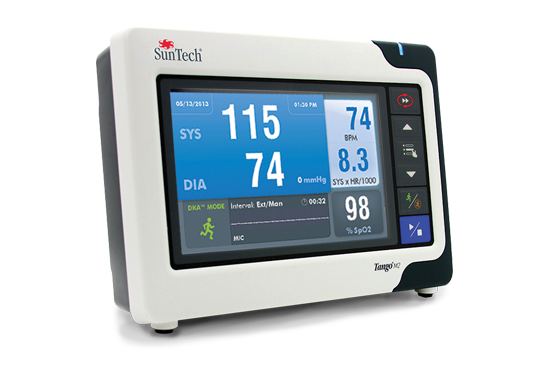
2011Increased brachial artery retrograde shear rate at exercise onset is abolished during prolonged cycling: role of thermoregulatory vasodilationAcute leg exercise increases brachial artery retrograde shear rate (SR), while chronic exercise improves vasomotor function. These combined observations are perplexing given the proatherogenic impacts of retrograde shear stress on the vascular endothelium and may be the result of brief protocols used to study acute exercise responses. Therefore, we hypothesized that brachial artery retrograde SR increases initially but subsequently decreases in magnitude during prolonged leg cycling. Additionally, we tested the role of cutaneous vasodilation in the elimination of increased retrograde SR during prolonged exercise. Brachial artery diameter and velocity profiles and forearm skin blood flow and temperature were measured at rest and during 50 min of steady-state, semirecumbent leg cycling (120 W) in 14 males. Exercise decreased forearm vascular conductance (FVC) and increased retrograde SR at 5 min (both P < 0.05), but subsequently forearm and cutaneous vascular conductance (CVC) rose while retrograde SR returned toward baseline values. The elimination of increased retrograde SR was related to the increase in FVC (r2 = 0.58; P < 0.05) and CVC (r2 = 0.32; P < 0.05). Moreover, when the forearm was cooled via a water-perfused suit between minutes 30 and 40 to blunt cutaneous vasodilation attending exercise, FVC was reduced and the magnitude of retrograde SR was increased from −49.7 ± 13.6 to −78.4 ± 16.5 s−1 (P < 0.05). Importantly, these responses resolved with removal of cooling during the final 10 min of exercise (retrograde SR: −46.9 ± 12.5 s−1). We conclude that increased brachial artery retrograde SR at the onset of leg cycling subsequently returns toward baseline values due in part to thermoregulatory cutaneous vasodilation during prolonged exercise. Grant H. Simmons, Jaume Padilla, Colin N. Young, Brett J. Wong, James A. Lang, Michael J. Davis, M. Harold Laughlin, and Paul J. Fadel Stress-induced cardiovascular reactivity and atherogenesis in adolescentsDepartment of Pediatrics, School of Medicine and Biomedical Sciences, University at Buffalo, Buffalo, NY 14214, USA; Department of Exercise and Nutrition Sciences, School of Public Health and Health Professions, University at Buffalo, Buffalo, NY 14214, USA. Objective: To examine the association between cardiovascular reactivity to a set of psychological stressors and carotid artery intima-media thickness, a marker of subclinical cardiovascular disease in healthy adolescents. Methods: Participants were 25 boys and 23 girls age 14.2±0.9 years who were measured for heart rate (HR), systolic (SBP) and diastolic (DBP) blood pressure reactivity to mirror-tracing, reaction time, speech preparation and ad lib speech tasks and for common carotid artery intima-media thickness. Sequential regression analyses were used to establish the incremental increase in R(2)(R(inc)(2)) for the prediction of intima-media thickness due to cardiovascular reactivity independent of age, BMI percentile, sex, socioeconomic status, and resting HR or BP. Results: SBP reactivity while preparing (β=0.0019, R(inc)(2)=0.09) and giving the speech (β=0.0014, R(inc)(2)=0.10) and an aggregate reactivity score based on all 4 tasks (β=0.0026, R(inc)(2)=0.11) independently predicted (p≤0.05) mean carotid artery intima-media thickness. Neither DBP reactivity nor HR reactivity during any task were independent predictors of intima-media thickness. Conclusion: Stress-induced cardiovascular reactivity, and especially SBP reactivity, is associated with carotid intima-media thickness and the early pathogenesis of cardiovascular disease. The use of an aggregate stress reactivity index provides a more reliable reflection of trait SBP reactivity to psychological stress and increases the confidence that youth with greater cardiovascular stress reactivity may indeed have greater progression of subclinical cardiovascular disease. Roemmich JN, Feda DM, Seelbinder AM, Lambiase MJ, Kala GK, Dorn J. 2010Blood Pressure Response to Exercise TestingAlthough in practise blood pressure (BP) is measured during and in recovery from exercise testing, there are no clearly established figures of an abnormal response. Different methods and population studied explain the different definitions. This conflicting data had provoked an inadequate appreciation of clinical significance, and the conduct to follow. This article revises work carried out relevant to blood pressure response in exercise testing, and based on evidence, proposes a series of values and conducts of diagnostic and prognostic significance. Miguel Chiacchio Sieiraa, Alberto Omar Ricartb, Rafael Suau Estranyc 2009Blood Pressure Measurement During Aerobic Exercise: Cardiac RehabilitationBackground: Institutional documents recommend that hemodynamic variables – heart rate (HR) and systolic (SAP) and diastolic arterial pressure (DAP) – be routinely controlled at the aerobic part of supervised exercise sessions for coronary disease patients. Objectives: a) to determine the pattern and reproducibility of the blood pressure (BP) throughout 15 minutes of physical exercise at constant and moderate intensity; and b) to compare the BP measurement obtained with digital and conventional device during the exercise. Methods: Thirty adult individuals of both sexes (65±11 yrs) were assessed for 15 minutes during lower-limb cycle ergometry and the BP was measured every 2 minutes, between the 3rd and the 13th minutes, using a Tango digital sphygmomanometer (Suntech, USA) and in the 14th minute, using a mercury column sphygmomanometer. Seven days later, at similar time of the day, six individuals had the test repeated to evaluate reproducibility. Results: Whereas the DAP did not vary throughout the exercise (p> 0.05), SAP increased from the 3rd to 7th minute (146±4.1 versus 158±4.5 mmHg, p<0.05) and thereafter remained practically constant. The digital and conventional measurements showed a strong correlation – r = 0.83 for SAP and 0.84 for DAP – with no differences for SAP (163±4.5 versus 162±4.3 mm Hg; p>0.05) and a small difference for DAP (72±2.4 versus 78±2.3 mm Hg; p<0.05). Conclusion: For exercises of moderate and constant intensity in a cycle ergometer with a 15-minute duration, BP measurements must be carried out from the 7th minute on. The digital measurements with the Tango equipment and those obtained with the conventional mercury-column sphygmomanometer were, for clinical purposes, very similar and reproducible. (Arq Bras Cardiol 2009;93(1):42-48) Emanuel Couto Furtado1, Plínio dos Santos Ramos1, Claudio Gil Soares de Araújo1,2 *Free access to download Association between initial and final transient heart rate responses in exercise testingBackground: The rest-exercise-rest transition is accompanied by rapid and slow heart rate (HR) changes modulated by the branches of the autonomic nervous system. Vagal participation seems to be distinct in these different transitions. Additionally, it is methodologically difficult to determine the best moment and how to measure resting HR. Objective: To determine the association between initial (rapid and slow) and final transient HR responses during exercise, considering different forms of measuring resting HR. Methods: We retrospectively studied 103 non-athlete adults (76 males) who underwent 4-second exercise test to obtain the rapid transient HR response as measured by the cardiac vagal index (CVI), and completed a maximal cardiopulmonary exercise test in exactly 10 minutes. HR changes were measured in the first few minutes of exercise (ΔHR) and recovery (dHR). Results: Modest associations were found between CVI and the three forms of measuring ΔHR, r between 0.27 and 0.31 (p<0.05), and a more significant association between dHR and CVI, r=0.53 (p<0.05). The means of the three measurements of resting HR were different (p<0.05) and showed only reasonable correlations between them (r between 0.64 and 0.76; p<0.05). Conclusion: It is important to standardize the measurement of resting HR for the analysis of transient HR responses; small or moderate association between the results of the different transients suggests that partially distinct autonomic mechanisms are involved and that their measurements may provide different and potentially complementary clinical information. (Arq Bras Cardiol 2009; 93(2):133-138) Gisele Messias Mattioli and Claudio Gil Soares de Araújo Does Peak Oxygen Pulse Complement Peak Oxygen Uptake in Risk Stratifying Patients with Heart Failure?There is scarce information regarding the prognostic utility of peak exercise oxygen pulse (peak O2 pulse), a surrogate for stroke volume, in patients with heart failure (HF). From May 1994 to November 2007, 998 patients with HF underwent cardiopulmonary exercise testing. The ability of peak oxygen uptake (VO2) and peak O2 pulse to predict cardiac events was examined. Peak O2 pulse was calculated by dividing peak VO2 by heart rate at the time peak VO2 was achieved and was expressed in both milliliters per beat and as a percentage achieved of the age-predicted value. There were 212 cardiac events (176 deaths, 26 transplantations, and 10 left ventricular assist device implantations) over a mean of 28 ± 26 months of follow-up. Peak VO2 and age-predicted peak O2 pulse were demonstrated by univariate and multivariate Cox regression analyses to be independent predictors of mortality (p <0.001). The optimal cut points for peak VO2 and age-predicted peak O2 pulse (<14.3 and ≥14.3 [mL/kg−1/min−1] and <85% and ≥85%, respectively) were established by areas under the receiver-operating characteristic curves. Patients exhibiting abnormalities for both responses had 4.8-fold (95% confidence interval 2.7 to 8.5) and 6.7-fold (95% confidence interval 4.1 to 11.1) higher risks for mortality and cardiac events, respectively, than those whose responses were normal. Age-predicted peak O2 pulse also predicted mortality in patients in the intermediate range of peak VO2 (10 to 14 (mL/kg−1/min−1)). The 3-year mortality rate for patients in this range who had age-predicted peak O2 pulse values <85% was even slightly higher than those with peak VO2 <10.1 (mL/kg−1/min−1). In conclusion, age-predicted peak O2 pulse was a strong and independent predictor of cardiac mortality and complemented peak VO2 in predicting risk in patients with HF. Ricardo B. Oliveira, PhDa,g,*, Jonathan Myers, PhDg, Claudio Gil S. Araujo, MD, PhDa,c, Ross Arena, PhDb, Sandra Mandic, PhDg, Daniel Bensimhon, MDe, Joshua Abella, MDg, Paul Chase, MEde, Marco Guazzi, MD, PhDd, Peter Brubaker, PhDf, Brian Moore, MSf, Dalane Kitzman, MDf, and Mary Ann Peberdy, MDb Atrial fibrillation in endurance-trained athletesEndurance exercise training produces multiple cardiac adaptations including changes in electrophysiological function that may make endurance trained athletes more vulnerable to atrial fibrillation (AF). This possible association is not recognized by many practicing cardiologists and sports physicians. Consequently, we performed a literature review to examine the relationship between atrial fibrillation and endurance exercise training among athletes. PubMed was searched from January 1960 through December 2008 to identify articles examining the relationship between endurance exercise training and AF. Evidence suggests that athletes are at increased risk for development of AF. Possible factors increasing AF in this population include increased parasympathetic tone, reduced sympathetic tone, increased atrial size, and increased inflammation. Suggested management of AF in athletes should follow similar principles to those used to manage AF in the general population. A V Sorokin, C G Araujo, S Zweibel, P D Thompson Maximal exercise oxygen pulse as a predictor of mortality among male veterans referred for exercise testingBackground: Maximal oxygen pulse (O2 pulse) mirrors the stroke volume response to exercise, and should therefore be a strong predictor of mortality. Limited and conflicting data are, however, available on this issue. Methods: Nine hundred forty-eight participants, classified as those with cardiopulmonary disease (CPD) and those without (non-CPD), underwent cardiopulmonary exercise testing (CPX) for clinical reasons between 1993 and 2003. The ability of maximal O2 pulse and maximal oxygen uptake (peak VO2) to predict mortality was investigated using proportional hazards and Akaike information criterion analyses. All-cause mortality was the endpoint. Results: Over a mean follow-up of 6.3±3.2 years, there were 126 deaths. Maximal O2 pulse, expressed in either absolute or relative to age-predicted terms, and peak VO2 were significant and independent predictors of mortality in those with and without CPD (P<0.04). Akaike information criterion analysis revealed that the model including both maximal O2 pulse and peak VO2 had the highest accuracy for predicting mortality. The optimal cut-points for O2 pulse and peak VO2 (<12; ≥12 ml/beat and <16; ≥16 ml/(kg·min) respectively) were established by the area under the receiver-operating-characteristic curve. The relative risks of mortality were 3.4 and 2.2 (CPD and non-CPD, respectively) among participants with both maximal O2 pulse and peak VO2 responses below these cut-points compared with participants with both responses above these cut-points. Conclusion: These results indicate that maximal O2 pulse is a significant predictor of mortality in patients with and without CPD. The addition of absolute and relative O2 pulse data provides complementary information for risk-stratifying heterogeneous participants referred for CPX and should be routinely included in the CPX report. Oliveira, Ricardo B.; Myers, Jonathan; S. Araújo, Claudio Gil; Abella, Joshua; Mandic, Sandra; Froelicher, Victor 2007Acute exercise and postexercise blood pressure in african american womenBackground: Limited data suggest that physical activity increases postexercise blood pressure in African-American women. The purpose of this study was to evaluate the postexercise blood pressure response to acute exercise in normotensive young adult African-American women. Methods: Eight healthy women (age 22.5±.9 years) performed a cycle ergometer bout of 30 minutes at 60% of peak ventilatory oxygen uptake (VO2 peak). Control arterial blood pressure, heart rate, lower leg blood flow, cardiac output, spectral analysis of blood pressure, heart rate variability, and baroreceptor sensitivity were measured for 5 minutes before exercise and were compared to postexercise measurements performed at rest intervals of 15–20, 35–40 and 55–60 minutes after exercise. Results: Exercise performed at 60% VO2 peak produced an arterial pressure of 172±10/70.1±4.0 mm Hg. Postexercise recovery values were not significantly different than the baseline control values. Conclusion: These results do not support the hypothesis that acute physical activity exerts an adverse effect on postexercise blood pressure in African American women. Lawrence Enweze, Luc M. Oke, Terry Thompson, Thomas O. Obisesan, Raymond Blakely, R. George Adams, Richard M. Millis, Madiha Khan, Marshall Banks, Vernon Bond, Jr. 2006Physiological responses to iyengar yoga performed by trained practitionersThe purpose of the study was to evaluate acute physiological responses to Hatha yoga asanas (poses) practiced in the Iyengar tradition. Preliminary data were collected on the impact of postural alignment on physiological responses. Intermediate/advanced level yoga practitioners (n=15 females) were monitored for heart rate (HR), oxygen uptake (VO2), and brachial arterial blood pressure (n = 9) during a 90 min practice. The subjects, aged 43.5 ± 6.9 yr (average ± SD), had current weekly practice of 6.2 ± 2.4 hr/week and practice history 9.2 ± 7.2 yr. Physical characteristics of the subjects included: height (167.3 ± 4.1 cm), body mass (59.3 ± 7.2 kg), and percent body fat (23.1 ± 3.6 %). The practice included supine, seated, standing, inversions, and push up to back arch asanas maintained for 1-5 min. Physiological responses were significantly (p<0.05) greater in standing asanas, inversions, and push up to back arch versus supine and seated asanas. The average metabolic equivalent (MET) of each pose did not exceed 5 METs. The practice expended 149.4 ± 50.7 Kcal. The cumulative time spent within a HR zone of 55-85% HRmax was 29.7 ± 15.9 min (range = 10.8 – 59.9 min). Asana practice was classified as mild to moderate intensity exercise without evidence of a sustained cardiopulmonary stimulus. Intermediate and advanced practitioners maintained poses for up to 5 min without stimulating an undesirable pressor response. However, postural alignment significantly influenced blood pressure responses indicating that adherence to precise alignment has relevant physiological consequences for the yoga practitioner. Sally E. Blank 2005Anabolic growth hormone action improves submaximal measures of physical performance in patients with HIV-associated wastingGrowth hormone (GH) treatment reverses the muscle loss allegedly responsible for diminished aerobic capacity and increased fatigue in patients with HIV-associated wasting. This study examined whether submaximal measures of physical performance can be used as objective measures of the functional impact of GH treatment-induced anabolism. We randomized 27 HIV-positive men [mean (SD) age, 43.9 (7.2) yr; body mass, 71.9 (10.4) kg; BMI, 23.1 (2.8) kg/m2] with unintentional weight loss despite antiretroviral therapy to receive GH (6 mg) or placebo in a double-blinded, placebo-controlled, cross-over trial with a 3-mo washout. Lean body mass (LBM), maximum oxygen uptake (O2 peak), ventilatory threshold (VeT), 6-min walk test (6MWT) distance and work, profile of mood states (POMS) fatigue and vigor scores, and Nottingham health profile (NHP) energy and physical mobility scores were measured. LBM significantly increased after 3 mo of GH treatment vs. placebo (means ± SE, 3.7 ± 0.6 vs. 0.3 ± 0.4 kg; P < 0.001). VeT significantly improved (17.6 ± 3.7 vs. –5.9 ± 2.5%; P < 0.001), but O2 peak did not change significantly. 6MWT distance improved (24.9 ± 9.7 vs. 19.9 ± 11.6 m; P > 0.05) and 6MWT work increased significantly more after 3 mo of GH treatment (33.3 ± 8.8 vs. 16.5 ± 7.5 kJ; P < 0.05). POMS scores of fatigue and vigor and the NHP score of energy improved, yet the changes were not statistically significant. GH treatment improved VeT linearly to the increase in LBM (r =0.43, P = 0.037) and 6MWT work (r = 0.51, P = 0.008), and the increase in 6MWT work correlated with increase in LBM (r = 0.45, P = 0.024). Improvement in 6MWT work above the median (27.3 kJ) showed a decrease in fatigue (r = –0.62, P = 0.024). We concluded that GH treatment-induced LBM gains in HIV-associated wasting were functionally relevant, as determined by effort-independent submaximal measures of cardiopulmonary exercise testing. John G. Esposito, Scott G. Thomas, Lori Kingdon, and Shereen Ezzat Attenuation of exaggerated exercise blood pressure response in african-american women by regular aerobic physical activityIntroduction: A hyperreactive blood pressure response to exercise is a predictor of developing hypertension. The present study determined the influence of physical activity on an exaggerated exercise blood pressure response (EEBPR) in normotensive African-American women. Methods: We screened 36 women 18– 26 years of age for EEBPR defined as a $50 mm Hg difference in systolic blood pressure at rest and during exercise at 50% peak oxygen uptake (VO2peak). Seven subjects demonstrated an EEBPR and participated in the study. Study participants trained for eight weeks on a bicycle ergometer at a work intensity of 70% VO2peak. Blood pressure, heart rate, cardiac output (CO), stroke volume (SV), and total peripheral vascular resistance (TPR) were determined at baseline and during submaximal exercise at power outputs of 30 W and 50% VO2peak. Subjects served as their own controls, and data were evaluated by using a paired t test at P,.05. Results: Effectiveness of the intervention was shown by a significantly greater VO2peak associated with significant decrements in systolic and mean arterial pressures at power outputs of 30 W and 50% VO2peak. A significant decrement in heart rate was observed during exercise at 30 W. Significant increments in CO and SV and decrement in TPR were found during exercise at 50% VO2peak. Conclusion: The reduction in TPR associated with regular aerobic physical activity may attenuate the EEBPR and decrease the risk for hypertension in normotensive, young-adult, African-American women. (Ethn Dis. 2005;15 [suppl 5]:S5-10–S5-13) Vernon Bond, Richard M. Ellis, R. George Adams, Luc M. Oke, Larry Enweze, Raymond Blakely, Marshall Banks, Terry Thompson, Thomas Obisesan, Jennifer C. Sween 2004Accuracy of automated auscultatory blood pressure measurement during supine exercise and treadmill stress electrocardiogram-testingObjectives: Monitoring of brachial blood pressure during exercise-electrocardiogram (ECG) testing is mandatory and changes in blood pressure (BP) can provide critical management evidence. Patient movement, mechanical vibration, artifactual sounds and observer variability make standard manual techniques problematic. This was an investigator-initiated study to assess an automated auscultatory technique of BP assessment [Tango exercise blood pressure monitor (SunTech Medical Instruments, NC, USA)] to adequately measure BP during stress-ECG testing. Methods: Initially five fit young male volunteers underwent invasive right brachial artery BP recording using a low-compliance fluid-filled catheter with simultaneous manual and automated assessment. Secondarily, during exercise-ECG testing, the system was assessed against beat-to-beat brachial blood pressures obtained from a catheter-tip solid-state pressure manometer positioned in the ipsilateral brachial artery. Results: In the supine study overall mean difference (±SEM) between invasive and manual blood pressures was 3.26 (1.53) and 3.89 (1.90) mmHg for diastolic BP (DBP) and systolic BP (SBP) respectively. Corresponding differences between invasive and automated results, and manual and automated were 3.68 (0.84) and -7.31 (1.83) mmHg, and -0.64 (±1.43) and -11.42 (±1.59) mmHg. During treadmill exercise-ECG testing the combined mean difference (±SEM) between invasive and automated SBP and DBP was 4.79 (±0.14) and 6.33 (±0.10) mmHg, respectively. Conclusion: Automated BP assessment during exercise-ECG testing is feasible with the use of appropriate automatic devices likely to be at least as accurate as manual BP registration. The Tango device is tolerant to exercise and provides reliable automatic BP assessment with absolute differences within an acceptable clinical range. James D. Cameron, Irene Stevenson, Emily Reed, Barry P. McGrath, Anthony M. Dart, and Bronwyn A. Kingwell Acute and chronic effects of hormone replacement therapy on the cardiovascular system in healthy postmenopausal womenPrevious studies have shown that conjugated estrogens and continuous medroxyprogesterone increases heart disease risk in healthy women. Little is known about the effects of the natural ovarian hormones estradiol and progesterone on cardiovascular function at rest and exercise. The purpose of this study was to investigate the short- and longer-term effects of a cyclic format of hormone replacement therapy (HRT) (1 mg estradiol daily with cyclic micronized progesterone, 200 mg for 10 d/month) on cardiovascular function at rest and during exercise in healthy, postmenopausal women. A double-blind, cross-over study was conducted in 31 patients. Peak oxygen uptake and ventilatory threshold in addition to submaximal cardiac output were determined. Peripheral measures of resting and peak ischemic blood flows were also determined. Measurements were made at baseline, after 4 h of estrogen/placebo exposure, and subsequently after 1, 2, and 3 months. The sequence of data collection was repeated after 6-wk washout. Oral estradiol with cyclic micronized progesterone increases peak ischemic peripheral blood flow chronically but fails to improve exercise tolerance and peak oxygen uptake. Similarly, submaximal central cardiovascular function is unaffected by HRT. This suggests that estradiol has a beneficial effect on peripheral blood flow, but this benefit offers little advantage in terms of peak exercise performance after 3 months of HRT. This work was supported by the Heart and Stroke Foundation of Ontario Grant NA3367. Lori D. Kirwan, Neil J. MacLusky, Heathe M. Shapiro, Beth L. Abramson, Scott G. Thomas, and Jack M. Goodman
Altered exercise gas exchange as related to microalbuminuria in type 2 diabetic patientsStudy objective: Microalbuminuria in diabetes mellitus is a risk factor for cardiovascular disease. We hypothesized that microalbuminuria in type 2 diabetic patients is related to impaired cardiopulmonary function during exercise, and that the severity of impairment is correlated with the degree of microalbuminuria. Design: Twenty of each of the following categories of subjects performed symptom-limited cardiopulmonary exercise testing on a cycle ergometer: (1) type 2 diabetic patients with normoalbuminuria (daily urinary albumin excretion [UAE] < 30 mg/d); (2) type 2 diabetic patients with microalbuminuria (daily UAE, 30 to 300 mg/d); and (3) normal control subjects. Measurements and results: Oxygen consumption (V̇o2) of patients with microalbuminuria was lower than that of control subjects at anaerobic threshold (AT) [p < 0.001], and was lower than both control subjects (p < 0.001) and patients with normoalbuminuria (p = 0.015) at peak exercise. There was a progressive worsening in gas exchange efficiency at the lungs, as measured by minute ventilation (V̇e)/carbon dioxide production (V̇co2) at AT or ΔV̇e/ΔV̇co2 slope, (p = 0.006 and p = 0.019, respectively) going from control subjects to patients with normoalbuminuria and then to patients with microalbuminuria. Left ventricular ejection fractions and BP were similar in patients with normoalbuminuria and microalbuminuria. More patients with microalbuminuria (n = 9) than with normoalbuminuria (n = 2) demonstrated diastolic dysfunction (p = 0.013). These 11 patients had lower peak V̇o2 values (p = 0.001) and higher daily UAE (p = 0.028). An inverse linear relationship was found between peak V̇o2 and log10 daily UAE (r = − 0.57, r2 = 0.29, p < 0.001). Conclusions: Abnormalities reflecting reduced oxygen transport and impaired gas exchange efficiency were found during exercise, and were especially profound in patients with microalbuminuria. These changes could be secondary to pulmonary microangiopathy and myocardial interstitial changes. Increases in capillary permeability to proteins may take place in the myocardium as they do in the kidneys, and contribute to impaired myocardial distensibility and hence diastolic dysfunction. Arthur Chun-Wing Lau, Matthew Kwok-Wing Lo, Godwin Tat-Chi Leung, Frankie Pak-Tat Choi, Loretta Yin-Chun Yam and Karlman Wasserman Atrial natriuretic peptide contributes to the physiological control of lipid mobilization in humansIn humans, lipid mobilization is considered to depend mainly on sympathetic nervous system activation and catecholamine action. A contribution of ANP was hypothesized because we have previously shown that atrial natriuretic peptide (ANP) is a lipolytic agent on isolated human fat cells. Control of lipid-mobilizing mechanisms was investigated using in situ microdialysis in subcutaneous adipose tissue (SCAT) in healthy young men during two successive exercise bouts performed at 35% and 60% peak oxygen consumption (VO2max) after placebo or acute oral tertatolol (nonselective β-antagonist) treatment. In placebo-treated subjects, infusion of propranolol in the probe (100 μmol/l) only partially reduced (40%) the increment in extracellular glycerol concentration (EGC) promoted by exercise. Moreover, oral β-adrenergic receptor blockade did not prevent exercise-induced lipid mobilization in SCAT while exerting fat cell β-adrenergic receptor blockade. Exercise-induced increase in plasma ANP was potently amplified by oral tertatolol. A positive correlation was found between EGC and plasma ANP levels but also between extracellular cGMP (i.e., index of ANP-mediated lipolysis) and EGC. Thus, we demonstrate that exercise-induced lipid mobilization resistant to local propranolol and lipid-mobilizing action observed under oral β-blockade is related to the action of ANP. Oral β-adrenergic receptor blockade, which potentiates exercise-induced ANP release by the heart, may contribute to lipid mobilization in SCAT. The potential relevance of an ANP-related lipid-mobilizing pathway is discussed. Cedric Moro, Francois Crampes, Coralie Sengenes, Isabelle De Glisezinski, Jean Galitzky, Claire Thalamas, Max Lafontan, and Michel Berlan Growth hormone treatment improves peripheral muscle oxygen extraction-utilization during exercise in patients with human immunodeficiency virus- associated wasting: a randomized controlled trialThe arteriovenous oxygen difference (a-vO2 difference), a measure of peripheral muscle oxygen extraction-utilization during exercise, is reduced in antiretroviral-treated patients with human immunodeficiency virus (HIV), thus causing a shift in the cardiac output-oxygen consumption (Q-VO2) relationship. We investigated the impact of recombinant human GH (rhGH) treatment on a-vO2 difference and the Q-VO2 relationship during submaximal exercise by randomizing 12 HIV-infected patients (mean ± SEM: age, 43.3 ± 1.5 yr; body mass, 69.5 ± 2.9 kg; body mass index, 22.4 ± 0.9 kg/m2; maximum oxygen consumption, 33.6 ± 1.5 ml/kg·min), with documented unintentional weight loss (≥10% within the preceding 12 months) despite antiretroviral therapy, to receive 3 months of rhGH (6 mg/d) in a double-blind, placebo-controlled, cross-over trial. We assessed Q (determined noninvasively using CO2 rebreathing), and subsequently a-vO2 difference, from Q-VO2 relationships. At study entry, the mean slope (8.1 ± 1.0 liters/min·1-liter increase in VO2) and intercept (3.1 ± 1.3 liters/min), generated from each patient’s Q-VO2 relationship, were greater and lower, respectively, than those reported for healthy individuals (6.0 and 4.0, respectively), thereby indicating a deficit in the a-vO2 difference. After 3 months of rhGH treatment, the slope decreased to 7.0, and the intercept increased to 3.5. After 1 month of rhGH treatment, the a-vO2 difference (at a VO2 of 1250 ml/min) significantly (P < 0.05) increased (17.1 ± 8.9%) from baseline (9.92 ± 0.51 ml/dl) and remained elevated (10.39 ± 0.48 ml/dl) after 3 months of treatment. No significant changes were seen with placebo. Therefore, treatment with rhGH leads to an improvement in peripheral muscle oxygen extraction-utilization and the Q-VO2 relationship during exercise in patients with HIV-associated wasting despite antiretroviral therapy. John G. Esposito, Scott G. Thomas, Lori Kingon, and Shereen Ezzat 2003Use of the Tango automatic blood pressure device during supine exercise: comparison with manual and invasive brachial blood pressuresJ.D. Cameron, I. Stevenson, E. Reed. B.A. Kingwell, B.P. McGrath, and A.M. Dart 2002Acetylcholine released from cholinergic nerves contributes to cutaneous vasodilation during heat stressNitric oxide (NO) contributes to active cutaneous vasodilation during a heat stress in humans. Given that acetylcholine is released from cholinergic nerves during whole body heating, coupled with evidence that acetylcholine causes vasodilation via NO mechanisms, it is possible that release of acetylcholine in the dermal space contributes to cutaneous vasodilation during a heat stress. To test this hypothesis, in seven subjects skin blood flow (SkBF) and sweat rate were simultaneously monitored over three microdialysis membranes placed in the dermal space of dorsal forearm skin. One membrane was perfused with the acetylcholinesterase inhibitor neostigmine (10 µM), the second membrane was perfused with the NO synthase inhibitor NG-nitro-L-arginine methyl ester (L-NAME; 10 mM) dissolved in the aforementioned neostigmine solution (L-NAMENeo), and the third membrane was perfused with Ringer solution as a control site. Each subject was exposed to ~20 min of whole body heating via a water-perfused suit, which increased mean body temperature from 36.4 ± 0.1 to 37.5 ± 0.1°C (P < 0.05). After the heat stress, SkBF at each site was normalized to its maximum value, identified by administration of 28 mM sodium nitroprusside. Mean body temperature threshold for cutaneous vasodilation was significantly lower at the neostigmine-treated site relative to the other sites (neostigmine: 36.6 ± 0.1°C, L-NAMENeo: 37.1 ± 0.1°C, control: 36.9 ± 0.1°C), whereas no significant threshold difference was observed between the L-NAMENeo-treated and control sites. At the end of the heat stress, SkBF was not different between the neostigmine-treated and control sites, whereas SkBF at the L-NAMENeo-treated site was significantly lower than the other sites. These results suggest that acetylcholine released from cholinergic nerves is capable of modulating cutaneous vasodilation via NO synthase mechanisms early in the heat stress but not after substantial cutaneous vasodilation. Manabu Shibasaki, Thad E. Wilson, Jian Cui, and Craig G. Crandall |

ENG
中文